


Good Afternoon ACPS FAMILIES!
WELCOME TO WEEK 24 @ ACPS...
WEEKLY ATTACHMENTS
There are several new opportunities in this weeks Clarkson Connection Attachment folder, including:
Kids Kitchen - March
March Break - Day camp and Volleyball programs
TAC Sports after school programs at ACPS
Engineering for Kids (Robotics) lunch time programs at ACPS
Karate Kids lunch time programs at ACPS
CLICK THIS LINK FOR WEEK 24 ATTACHMENTS
ADRIENNE CLARKSON SCHOOL SPIRIT WEAR IS AVAILABLE AGAIN!!!
Please click the link below to order ACPS School Spirit wear:
SAFETY REMINDERS FOR DRIVERS AT ACPS – KEEPING STUDENTS AND STAFF SAFE
This serves as a reminder to all drivers coming to ACPS, that the bus loop is closed to cars between 7:45 AM – 8:05 AM, and again between 2:35 PM – 2:50 PM. We do this to ensure that buses can arrive and depart safely, and so that our staff on duty, and students boarding and unloading from the bus can do so safely. We have ordered new barriers which will be used to block off access to cars.
If you choose to drive your child to ACPS, please obey the following important drop-off and pick-up rules:
- THERE IS NO PARKING IN THE STAFF LOT DURING DROP-OFF or DURING PICK-UP. When you park in a staff spot, you often prevent our staff from getting inside to begin instructional time.
- DO NOT GET OUT OF YOUR CAR TO WALK YOUR CHILD INTO ACPS. Use the Kiss n’ Ride to pull up and have your child exit from the school (passenger side) to enter the school.
PLEASE USE COMMON SENSE.
HOW TO ACCESS THE REPORT CARD - TERM 1 REPORT CARDS
- Log in to Family.yrdsb.ca. If you don’t have an account or have questions, visit Family Resources > Family Dashboard on the Board website and click Need Help for instructions and FAQs.
- Click your child’s name to see the Report Card icon.
- Click the Report Card icon and select the file you want to view.
- Enter your child’s birthdate as the password in this format: YYYYMMDD (e.g., for March 1, 2010, enter 20100301).
- View, download or print the report card.
MONTHLY MATH NEWSLETTER: MARCH
Sparking Joy through Patterning in Our World
Welcome, families! This month, let's use our senses to notice and explore the world of Patterning. From the design of a spiderweb to the rhythm of a song, patterns are everywhere! Recognizing, describing, and creating patterns helps students make predictions and develop thinking skills. When we highlight these patterns in everyday life, math becomes a joyful journey of discovery.
Connecting it Back to the Classroom
Patterning builds a strong foundation for algebraic thinking and problem-solving across all grades. In early years children are learning to identify, describe, extend, and create repeating patterns (e.g., ABABAB) and growing patterns. As student’s understanding of patterning continues these early experiences form the building blocks to understanding of patterns through tables of values, establishing pattern rules, developing linear algebraic equations, and graphing patterns.
Engaging in Patterning Conversations at Home
Patterns are naturally everywhere in our daily lives! Here's how to create math conversations around them:
Nature’s Patterns → Look at the sunflower or pinecone. What patterns do you notice in how the seeds are arranged?"
Primary: “Do the seeds or petals repeat? What comes next?”
Junior: “Can you count how many rows or spirals there are? Is there a pattern in the numbers?”
Intermediate: “Does this arrangement remind you of any mathematical sequences, like the Fibonacci sequence? Can you explain why this might be efficient in nature?”
Patterns Around the House → Look at the tiles on the floor (or the pattern on a rug or blanket)."
Primary: “What colours or shapes repeat?”
Junior: “Can you describe the repeating unit? How many times does it show up in this space?”
Intermediate: “If each tile is a square foot, and the pattern repeats every 4 tiles, how many full patterns would fit in a 10 ft × 8 ft room? Can you model this with multiplication or algebra?”
Patterns in Time and Routines → Think about what we do every day before school, or each week with our activities.
Primary: “What do we do every morning that repeats?”
Junior: “Can you make a chart of our weekly schedule and find the pattern?”
Intermediate: “If we have soccer every third day starting Monday, on which days will it fall over the next two weeks? Can you represent this pattern with a rule or number sentence?”
Counting and Number Patterns - Let’s explore a number pattern together."
Primary: “When we count by 5s or 10s, what do you notice about the numbers?”
Junior: “Here’s a pattern: 3, 6, 9, 12... What’s the rule? What comes next?”
Intermediate: “If the pattern grows by 3 each time, how can we write a rule for the nth term? What does the graph of this pattern look like?”
Patterns in Music or Movement → Let’s create a rhythm or body movement pattern."
Primary: “Try a simple pattern like clap-clap-stomp. What comes next?”
Junior: “How many beats are in your pattern? Can you change it to grow by one movement each time?”
Intermediate: “If you repeated your pattern for 1 minute at 120 beats per minute, how many full patterns would fit? Can we express that mathematically?”
A Fantastic Resource for Families: Visual Patterns
An incredible online resource for exploring patterns is Visual Patterns www.visualpatterns.org. This website offers a rich collection of growing visual patterns, each shown in three stages. Can you describe the patterns? Make a prediction of what comes next ?
At home choose a pattern together that looks interesting or challenging for your child's age. Looking at the first few steps of the pattern together discuss what you notice and how the pattern changes. Ask the child to draw or describe what they think Stage 4 or Stage 5 may look like. Encourage them to talk about how they know. For another challenge (for older students) ask how we can figure out the number of components at any stage, even Stage 100 of the pattern? This encourages some algebraic thinking!
By exploring patterns with "Visual Patterns" and in your daily life, you'll be fostering critical thinking, prediction skills, and a deeper appreciation for the mathematical order in our world.
Happy patterning!
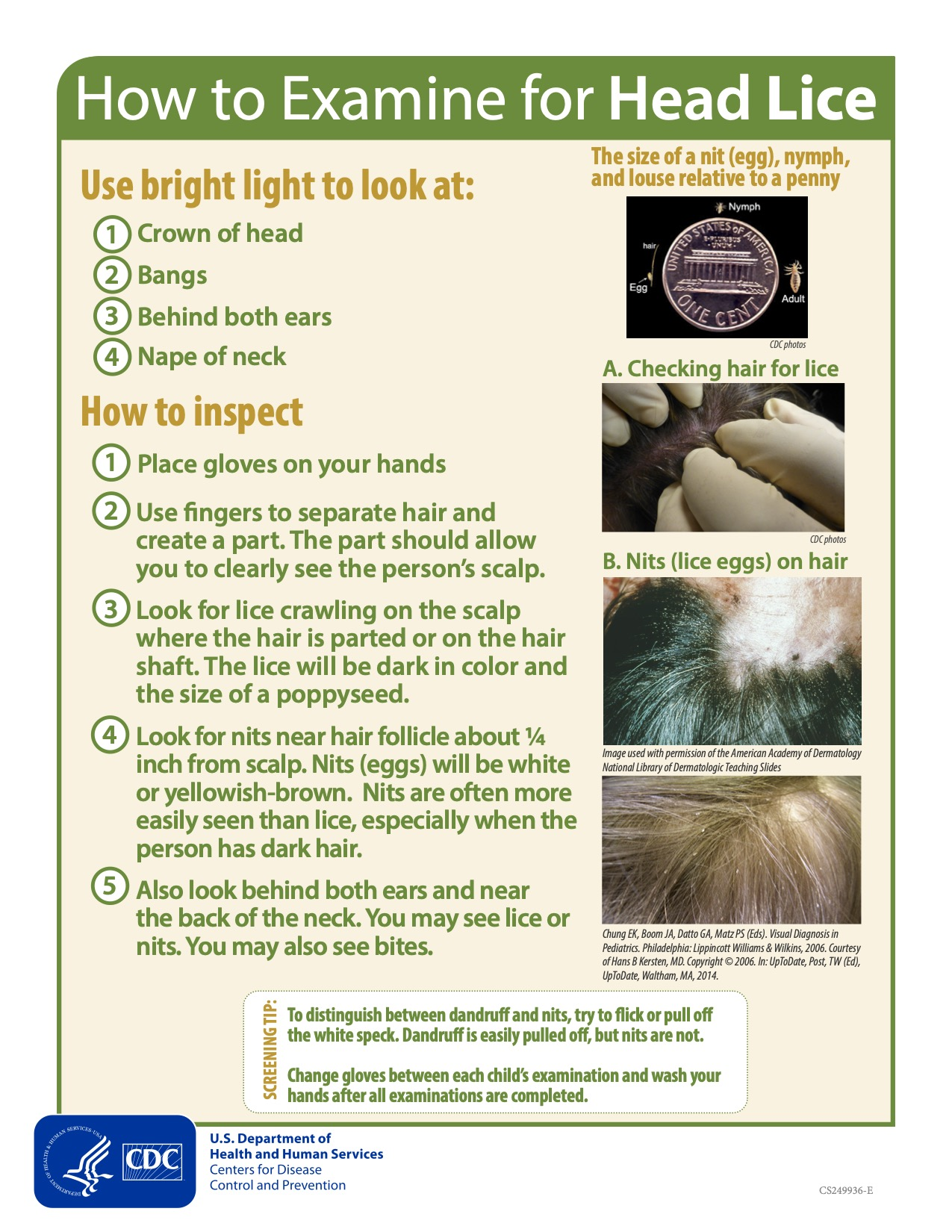
HEAD LICE (PEDICULOSIS)
THE AFTER-SCHOOL PROGRAM WILL CONTINUE IN THE SPRING!
After-school badminton will be wrapping up with our participants well prepared to possibly continue on in the upcoming school season.
We are thrilled to announce an after-school multi-sports program in partnership with TAC Sports for students in Grades 4–6! This 8-week program will have sessions in basketball, soccer, and volleyball that emphasize skill development, teamwork, and fun while supporting school fundraising.
Program Details:
📅 Duration: 8 Weeks – Every Thursday from April 9th to May 28th
📍 Location: School Gym
🕒 Time: 2:45 PM – 3:45 PM
💲 Cost: $192 + HST for eight 1-hour sessions
Access Code: ACPS2026
Registration Link: https://app.amilia.com/store/en/toronto-athletic-camps-tac-sports/api/Program/Detail?programId=xjvJ3Lx
Thanks for your support,
Adrienne Clarkson P.S. School Council
THE KARATE KIDS PROGRAM
We are excited to announce that the very popular Karate Kids program will be returning to Adrienne Clarkson in March. Offered to students in grades 1-3 the program is a fun blend of non-contact martial arts, fitness, and character education. This 40-minute class will run during the lunch recess on Wednesdays for 10 weeks from Wednesday March 11th to Wednesday May 20th with a graduation ceremony held at the end of the program. Enrolment flyers containing full online registration details will be handed out to students the first week of March.
Sign up is online only and enrolment is honored on a first come, first served basis.
TO REGISTER: Space is limited
- Visit www.karatekids.ca
- Click the register button located at the top right corner of the screen
Enter school code ADR26
The Karate Kids class is designed to engage students in physical activities that promote social bonding while also helping with self-regulation, self-discipline, confidence, and leadership skills. Celebrating their 24th year of business, this is a popular program currently running in over 70 schools a year. For more program details, visit their website at www.karatekids.ca
NEW! ROBOTICS + MARINE ENGINEERING
What causes something to sink or float? How can engineers help explore and protect the ocean below? Learn about marine engineering and mechanics, how to harness the power of water, and discover designs that help us make the impossible possible. Then, using LEGO robots, build and code a floodgate for flood prevention.
Location: Adrienne Clarkson Public School Library
Date: Mondays ( 8 sessions)
April 13, 20, 27
May 4, 11, 25
June 1.8
Time: School Lunchtime
CLICK HERE FOR INFORMATION AND REGISTRATION
RAMADAN FEBRUARY 19 - MARCH 20, 2026
*As many Muslim communities use a lunar calendar to establish the dates for Ramadan, the aforementioned dates are not fixed and are dependent on the sighting of the new moon. With this in mind, schools and educators should be responsive to the dates that Muslim students and families within the school community are observing for the start of Ramadan.
Ramadan is a holy month of fasting and contemplation for Muslims.
Ramadan, the ninth month of the Islamic calendar, is referred to in the Qu'ran as a blessed month in which the teachings of the Qu'ran were revealed to the Prophet Muhammad (peace be upon him/pbuh).
During Ramadan, many Muslims fast during the hours of daylight and increase their focus on prayer and contemplation. At the end of each day, the fast is traditionally ended with a prayer and a meal called the iftar, which may vary culturally.
Ramadan is considered by many to be a time for Muslims to recommit themselves to cultivating spiritual renewal within themselves and their communities, as well as practicing compassion and generosity for others.
PERSIAN HERITAGE MONTH
In 2021 the government of Ontario proclaimed March as Persian Heritage Month to recognize the contributions of over 200,000 Ontarians of Persian descent.
Since the 1970s to present day, the Persian community have played a significant role in shaping the province’s economic, political, social and cultural landscape. Rooted in one of the world’s oldest civilizations, Persian culture has enriched Ontario's identity for generations. In the month of March, millions of Persians from around the world celebrate Nowruz, the beginning of their new year with a special significance of the relationship between nature and human life. By designating March as Persian Heritage Month, the York Region District School Board honors the identities, diverse experiences and achievements of Persian students, families and staff in our school board.
We acknowledge that this year’s Persian Heritage Month may bring a range of deep feelings for many as we witness the difficult and tragic news coming out of Iran. Board and community resources are available to students and staff members who may need it, please speak to your administrator or supervisor if you need support.
PURIM - TUESDAY MARCH 3, 2026
Purim is a celebratory and joyous holiday celebrated on March 3, 2026. Purim commemorates the survival of the Jewish people from eradication in the 4th century BCE. King Ahasuerus’ advisor, Haman, plotted to rid the ancient Persian empire of its Jewish people. The Book of Esther, also known as the Megillah or Scroll of Esther, recounts the Purim miracle and the story of how Esther, who unbeknownst to her husband was Jewish, used her position as the king’s wife to save the Jewish people. Purim means “lots” in ancient Persian and was thus named because Haman had thrown lots to determine when he would carry out his evil scheme, as recorded in the Megillah.
Traditions include masquerading in costumes and masks, having parties and public celebrations, as well as sharing gift baskets known as mishloach manot. Reading the Megillah, reciting prayers, eating a festive meal, drinking wine, as well as committing to charitable acts, known as tzedakah in Hebrew, are practices associated with the holiday. During the reading of the Megillah, it is customary to make noises of disdain when Haman’s name is mentioned with noisemakers called graggers. This is done once on the eve of Purim and then again on the following day. On the day before Purim, it is customary to fast. Fasting acts as a reminder of Queen Esther’s fasting and praying to G-d1 to save the Jewish people.
On Purim, symbolic triangular-shaped cookies with filling are eaten. These cookies are often called Hamantaschen, a name derived from Yiddish. These cookies are also known as Oznei Haman in Hebrew and Orejas de Haman in Ladino, both translating to Haman’s ears. Traditional fillings include poppyseeds and prune jam. Jams of varied flavours and chocolate spread have also become common fillings.
Please note that there are different levels of observance and ways of observing within the Jewish community. It is customary to wish a Happy Purim or Chag Purim Sameach in Hebrew.
HELLENIC HERITAGE MONTH
In 2019, the Government of Ontario proclaimed March as Hellenic Heritage Month.
There are over 270,000 Canadians of Hellenic or Greek descent living in Canada, with more than half residing in Ontario. Since the early nineteenth century, immigrants from Greece have made significant contributions to Ontario’s culture, economy, and various fields such as education, law, medicine, science, and politics. Greece’s vast history, including its structures for democratic governance, philosophy, and scientific methodologies, have influenced many present day practices and structures in Canada. Greek Independence Day, celebrated on March 25, marks Greece’s liberation from the Ottoman Empire in 1821. By designating March as Hellenic Heritage Month, the York Region District School Board honors the identities, diverse experiences and achievements of Greek students, families and staff in our school board.
BANGLADESHI HERITAGE MONTH
In 2016, the Government of Ontario proclaimed March as Bangladeshi Heritage Month.
Ontario is home to over 50,000 people of Bengali heritage who have made significant contributions to the province’s scientific, cultural, athletic, and political sectors. Every year on March 26th, Bangladeshis worldwide celebrate Independence Day, commemorating their nation’s independence in 1971 with music, parades, and various gatherings. By designating March as Bangladeshi Heritage Month, the York Region District School Board honors the identities, diverse experiences and achievements of Bangladeshi students, families and staff in our school board.
NAW-RÚZ/NOWRUZ/NAVROZ
Naw-Rúz/Nowruz/Navroz - Observances begin at sunset (March 20) and are generally observed until sunset of the following day (March 21)
Nowruz means New Day and is also written and pronounced as Naw-Ruz, Norouz, Nowrooz, or Nowrouz, depending on the community celebrating it. The ‘New Day’ represents the New Year, which falls on the date of the vernal (spring) equinox, symbolizes the renewal of the world after winter, and is celebrated by multiple faiths, cultural groups, and countries around the world, each attributing unique significance to the day.
Naw-Rúz / Nowruz / Navroz is considered a national New Year and a cultural celebration, observed by people in Baha’i, Persian, Kurdish, Zoroastrian, Ismaili, and some Shia Muslim communities, as well as others across various cultures, faiths, and traditions. Celebrations/customs for this day have evolved and vary across and within nations, cultures and faith groups. An example of how this day is observed by those who follow the solar calendar, including Iranians and Afghans among others, is that the new year begins with the month of Farvardin, which coincides with the spring equinox. On this day, people may choose to honour it by committing to a fresh start, full of joy and hope for the coming year. Families and friends may gather for a celebratory lunch/dinner, wearing new clothes and offering gifts to the children present. The Haft-Seen table may also be decorated with flowers, fruit, colored eggs, sweets, and symbolic objects such as a mirror, candles, a holy book, or a book of poetry. The festival embodies a wealth of ancient rites and customs and is part of the traditions of various groups. For other communities, this day is also symbolic of resilience and the journeys to freedom.
For people of the Baha'i faith, Naw-Rúz is the "Day of God." Baha'u'llah, the founder of the Baha'i tradition, declared this day to be one of feasting following a religious fast. Naw-Rúz is one of the nine Baha'i holy days on which work is to be suspended. The day is often marked by prayer and celebration.
Ismaili Muslims and Zoroastrians worldwide observe Navroz/Nowruz. For Ismailis, this day marks the beginning of a new year and the first day of spring, which is symbolic of spiritual renewal and physical rejuvenation. It is a day to reflect on one’s blessings and foster a sense of hope and optimism for the future. The festival of Navroz commemorates a centuries-old agrarian custom that, over time, was integrated into various cultures and faith traditions. Today, Nowruz/Navroz is celebrated in many parts of the Middle East and Central and South Asia, particularly among peoples influenced by Persian, Kurdish and Turkic civilizations.
To all students, families and staff celebrating this day, we wish you a Happy New Year! Nowruz/Naw-Ruz Mobarak, or Navroz Mubarak!
EID-UL-FITR DIAMOND DAY MARCH 20, 2026
Eid-ul-Fitr, also known as the Festival of Breaking the Fast, marks the end of the holy month of Ramadan. It symbolizes the culmination of a month-long spiritual journey characterized by fasting, prayer and self-discipline.
During Eid ul-Fitr, Muslims gather with family, friends and community members to engage in special prayers, express gratitude for the blessings received throughout the year and reflect on ways to engage in acts of service to support others. It is a time to come together and celebrate shared faith and strengthen connections within their communities.
Eid-ul-Fitr is celebrated in a variety of ways for Muslims around the world. For many Muslims, the day traditionally begins early with a prayer ceremony at a mosque or a place of community gathering. This day carries various symbolic meanings for Muslims which may include a renewal of commitment to Islam and a celebration of a new beginning. Families and friends typically visit one another and exchange good wishes, and homes may be decorated to reflect the festive atmosphere of this special day.
We would like to extend our warmest wishes to Muslim students, staff and families for a peaceful and joyous Eid-ul-Fitr celebration.
IRISH HERITAGE DAY
In 2004, March 17 was declared Irish Heritage Day in Ontario. This day is particularly significant as it is St. Patrick’s Day, a day to commemorate the patron saint of the Irish.
There are over 2 million people of Irish descent living in Ontario today. In the mid-1800s, Irish immigrants came to Canada, fleeing the potato famine in Ireland, and have since significantly shaped Ontario's cultural and historical landscape.
Resources - For more information to support learning, please visit:
National Geographic Kids- Ireland
The Canadian Encyclopedia- Irish Canadians
WINTER WEATHER
With winter weather contiuing, we want to share a few important reminders.
Dress for the weather
Students should come dressed appropriately for the weather and for outdoor play. Students can stay warm by wearing layers of loose-fitting clothing, a hat, scarf, jackets, snow pants and mittens or gloves. Students may also want to bring extra pants and socks in case they get wet.
Recess
If students are well enough to come to school, they are expected to go outside for recess. Our students benefit from spending time outside and being active. We monitor weather conditions throughout the day. If there are extreme weather conditions, we may consider a shortened or indoor recess.
Bus or School Cancellations
When an extreme cold or inclement weather day is declared, school transportation (including buses and taxis) is cancelled in the morning and afternoon. Schools will remain open. Please notify the school if your child will not be attending school on those days. Students will not be penalized for missing school on these days.
There may be rare instances when emergency weather events occur, and we need to close all schools and Board locations. Please take the time to make plans in the event of an emergency school closure. Information about transportation cancellations and Board closures will be shared through local media, board and school websites and on X @YRDSB.
Our process for extreme cold, inclement weather and emergency weather days is outlined in the board’s Severe Weather policy.
ACPS CALENDAR
If you are looking to find school information and events, please click on this CALENDAR LINK and add to your favorites.
ON THE HORIZON
WEDNESDAY MARCH 4 - RAPTORS 905 GAME
MONDAY MARCH 16 - FRIDAY MARCH 20 - ACPS CLOSED FOR MARCH BREAK
Have a MAGNIFICENT WEEKEND😊
Merci,
Mr. Arin Otis
Principal
Adrienne Clarkson PS | 68 Queens College Drive | Richmond Hill, Ontario | L4B 1X3 | 905-709-3554
InspireLearning!

This electronic mail transmission and any related attachments may contain privileged or confidential information intended solely for the individual(s) named above and could be subject to provisions contained in the Municipal Freedom of Information and Protection of Privacy Act. If you are not the intended recipient, any copying, distribution, disclosure or use of this transmission or any information contained therein is strictly prohibited. If you have received this communication in error, please contact me immediately and kindly delete the electronic mail transmission and any related information. Thank you.